
Watchdog, Wisconsin News Publishers Urge State Supreme Court to Stop Officials From Gaming Public Records Law
Brief in Case Over Former Natural Resources Board Chair's Text Messages Asks Court to Restore Rule Letting Requesters Recover Legal Costs When Their Lawsuit Leads to the Release of Records
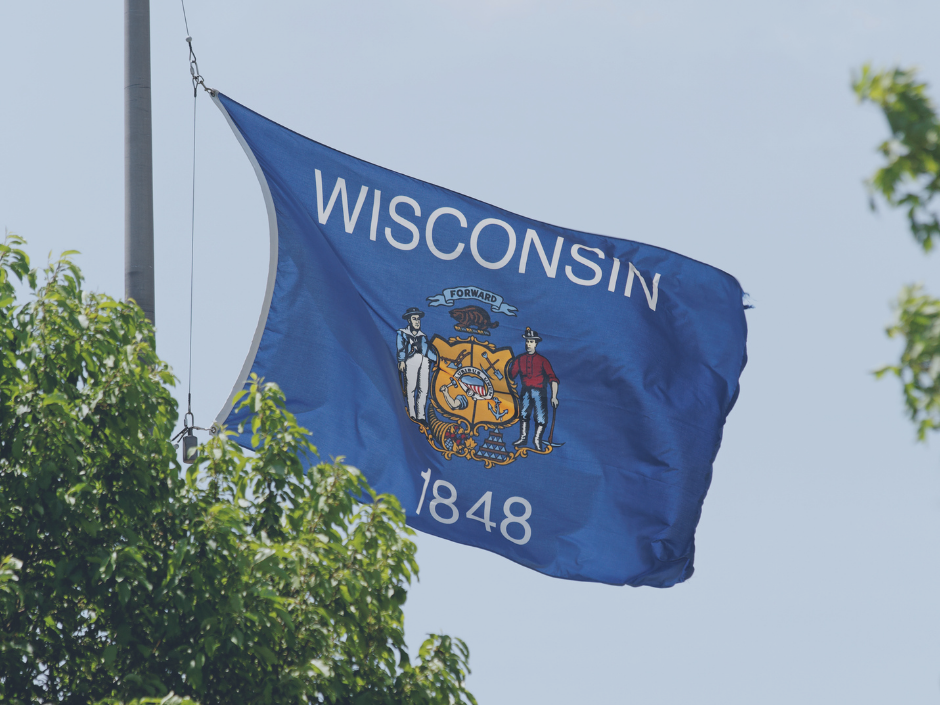
MADISON, WI — Today, American Oversight and the Wisconsin NewsMedia Association (WNA) filed an amicus brief asking the Wisconsin Supreme Court to restore a longstanding rule that ensures people who sue to enforce the state’s public records law can recover their legal costs — even when officials hand over the records before a court order. The brief, filed in Midwest Environmental Advocates v. Prehn, urges the court to overrule its 2022 decision in Friends of Frame Park v. City of Waukesha and reinstate the precedent Wisconsin courts applied for nearly four decades. The nonpartisan watchdog is represented by Law Forward and WNA is represented by Godfrey & Kahn.
The case stems from a records request for the communications of Frederick Prehn, the former chair of the Wisconsin Natural Resources Board who refused to leave his seat after his term expired in May 2021. Midwest Environmental Advocates sought his communications about that decision, including text messages on personal devices, and sued when they were not produced. A Dane County judge found that Prehn had delayed or denied the release of those messages for 16 months, but ruled that the group could not recover its attorney’s fees under the Friends of Frame Park standard because the records were released before the court entered a judgment. The Wisconsin Court of Appeals reversed that ruling in 2025, and this fall the Wisconsin Supreme Court agreed to review the case to decide what it means for a requester to prevail “when an authority produces records after litigation commences but before final judgment.”
“Wisconsin’s public records law makes a simple promise: The people are entitled to see what their government is doing, and officials who unlawfully stand in the way must pay for it,” said Chioma Chukwu, Executive Director of American Oversight. “The new standard hands officials a playbook to break that promise — stonewall the request, wait to be sued, then release the records just before a judge rules and leave the requester holding the bill. Officials who flout the law shouldn’t get to run out the clock on the public’s right to know.”
“Wisconsin’s public records law is one of the most important tools used by journalists in fulfilling their responsibility to inform the public and hold government accountable,” said Beth Bennett, Executive Director of the Wisconsin NewsMedia Association. “The law cannot function as intended if public officials are allowed to delay the release of records, force citizens and news organizations into costly litigation, and then avoid the payment of attorney’s fees by releasing the records just before a court rules.”
Wisconsin law states that “all persons are entitled to the greatest possible information regarding the affairs of government,” and it requires courts to award attorney’s fees, damages, and costs to requesters who prevail “in whole or in substantial part” in enforcement suits. From 1986 until 2022, courts determined if attorney’s fees should be awarded by asking whether the lawsuit caused the release of the records. In Friends of Frame Park, a fractured court replaced that test with a requirement that requesters obtain a “judicially sanctioned change in the parties’ legal relationship” — without a majority agreeing on what that phrase means.
As the brief explains, that standard invites gamesmanship: An official can deny a lawful request, force the requester into court, and then release the records at the last minute to avoid paying the costs the Legislature required. The brief notes that the court of appeals warned of exactly this risk in 1986, and that the dissent in Friends of Frame Park called it a “perverse incentive” for strategic delay.
The brief argues that the threat is greatest for the individuals, journalists, and small organizations that cannot absorb the cost of litigation on their own. If requesters cannot recover their costs when records are unlawfully withheld, the brief contends, fewer requests will be enforced and more records that belong to the public will stay hidden behind the price of a lawsuit.
American Oversight has relied on Wisconsin’s public records law to bring government conduct into public view, including records from the Wisconsin Assembly’s baseless investigation of the 2020 election, records from a secret panel convened to advise on impeaching a state Supreme Court justice, and county records on plans to monitor ballot drop boxes. After multi-year litigation against the Legislature, American Oversight was awarded attorney’s fees under the statute at issue in this case, and Wisconsin courts upheld that recovery over the Legislature’s further challenges.