
American Oversight Demands Navy Account for Reported Deletion of Footage Following Deadly October Boat Strike
We demanded the National Archives, DOD, and Navy take immediate action to recover any destroyed records and prevent further unlawful deletions.
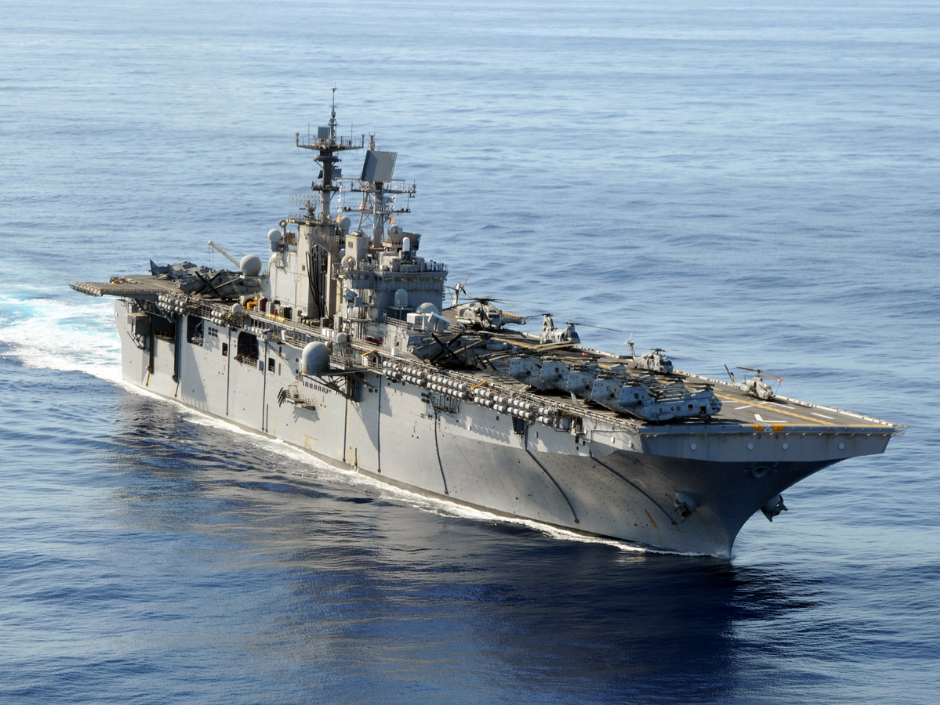
Following alarming reporting that U.S. Navy personnel aboard the USS Iwo Jima were ordered to delete video and photographic documentation of two survivors taken into U.S. custody after a deadly boat strike on October 17 — the seventh known attack since September 2, which legal experts have described as “illegal extrajudicial killings” — American Oversight sent a letter to the National Archives and Records Administration (NARA), the Secretary of Defense, and the Secretary of the Navy demanding they immediately safeguard all remaining materials, recover any deleted files, and prevent further destruction of evidence.
The reported deletion of detainee footage — documentation the Federal Records Act (FRA) requires be preserved — raises serious concerns about potential violations of federal law and undermines the public’s ability to understand what happened in the aftermath of the strike. These concerns are heightened by the administration’s failure to provide public evidence supporting its claims that suspected drug trafficking justifies President Trump’s brute military campaign in the region. Instead, the administration has relied on broad, unverified assertions that suspected drug-carrying boats pose an imminent threat to the United States.
“If the Pentagon ordered the deletion of footage from its seventh deadly boat strike, as reported, it raises serious questions about what the administration was trying to keep out of view and whether critical evidence was deliberately destroyed,” said Chioma Chukwu, Executive Director of American Oversight. “If true, the administration’s directive isn’t mere indifference to transparency. It’s open contempt for the rule of law, and it fits squarely within a troubling pattern: an administration dodging basic accountability even as questions mount about the legality of these strikes. Footage from this operation would have revealed how authority was exercised and on what basis. Its destruction doesn’t just frustrate oversight; it erases the evidence Congress and the public need to determine whether this strike was lawful. When the record is gone, accountability goes with it.”
According to public reporting, Navy personnel aboard the Iwo Jima were instructed to “delete all video and photographic documentation of the detainees” following the strike — material that plainly qualifies as federal records and must be preserved under the FRA. The destruction or removal of such footage would not only violate federal law but could also obscure critical information about the decisions, operations, and conduct of U.S. officials during a sensitive military incident that many experts say amounts to the unauthorized use of lethal force — information that would likely undercut the administration’s own claims about the legality of the attacks.
Our letter details the nondiscretionary legal obligations of NARA, DOD, and the Navy to protect federal records from unlawful deletion and to take swift remedial action when a potential violation occurs. Federal law requires agencies to establish controls to prevent loss or destruction, restore unlawfully removed records, and — when necessary — involve the attorney general to recover missing materials.
Last week, we filed suit against the U.S. Departments of Defense and Justice for unlawfully withholding records about the Trump administration’s deadly Venezuelan boat strikes — operations that legal and military experts have warned may amount to war crimes after survivors of an initial strike were reportedly killed in a second attack.
The suit followed the release of a DOD Office of Inspector General (OIG) report that found Hegseth’s sharing of classified Yemen strike details over Signal this spring — in group chats that also included his spouse, brother, and a reporter — violated department regulations and put troops in danger.