
American Oversight Slams Trump’s Attempted Evasion of Presidential Records Act
After facing prosecution for mishandling records following his first term, Trump is trying to gut the Presidential Records Act in his second.
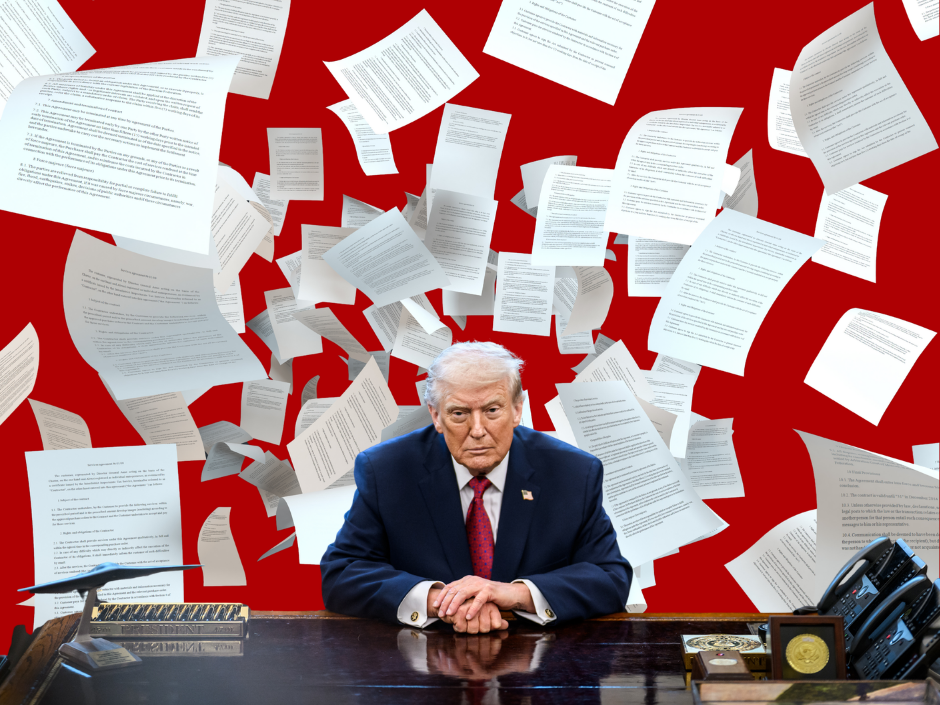
In response to the Department of Justice’s Office of Legal Counsel claiming the Presidential Records Act (PRA) is unconstitutional and that Donald Trump doesn’t need to follow the law — effectively shielding his administration’s records from public disclosure — American Oversight criticized the Trump White House’s continued efforts to evade transparency obligations, despite repeated claims from the president and his team that he is “the most transparent president in history.”
“From its inception nearly half a century ago, the Presidential Records Act has been clear: presidential records belong to the American people, not to any one president,” said Chioma Chukwu, Executive Director of American Oversight. “The Trump administration’s attempt to evade the Presidential Records Act is as legally suspect as it is dangerous. It is a permission slip to hide evidence of corruption, abuse of power, and misconduct from the public. The law exists to ensure that no president can rewrite history or conceal wrongdoing — and efforts to sidestep it strike at the core of government accountability. When the government withholds information about how power is used, families are left without answers, communities are kept in the dark, and victims are denied accountability. That kind of secrecy weakens public trust, obscures the truth, and puts our democracy at risk.”
We moved quickly on the first day Trump administration records became eligible for public access under the PRA’s five-year provision, filing a sweeping set of Freedom of Information Act (FOIA) requests seeking presidential records that could provide additional details on corruption, conflicts of interest, and abuses of power during Trump’s first term — one of the most opaque and controversial presidencies in modern history.
The Trump administration’s latest attempt to ignore the law is consistent with a broader pattern of secrecy, obstruction, and disregard for legal obligations governing public records and national security. Despite repeated claims of ushering in “the most transparent administration in history,” its record tells a different story. Most notably, federal prosecutors led by Special Counsel Jack Smith brought charges against Donald Trump for unlawfully retaining classified documents after leaving office following his first term. This conduct was inconsistent with the Presidential Records Act, which requires the transfer of official records to the National Archives, and likely violated the Espionage Act’s prohibitions on unauthorized possession of classified information.
Now, in his second term, similar patterns have continued: military actions against Iran have proceeded without congressional authorization or a full public accounting of casualties; records of lethal immigration enforcement operations have surfaced only after litigation forced them into the open; the administration has sought to bury the special counsel report on classified documents; and records related to Jeffrey Epstein remain only partially released despite clear legal mandates.
Read our primer on the PRA.