

American Oversight v. CBP — Use of Force and Training Materials
Mar 04, 2026
The lawsuit follows our release of ICE records revealing alarming use-of-force escalation and the undisclosed shooting death of Ruben Ray Martinez.
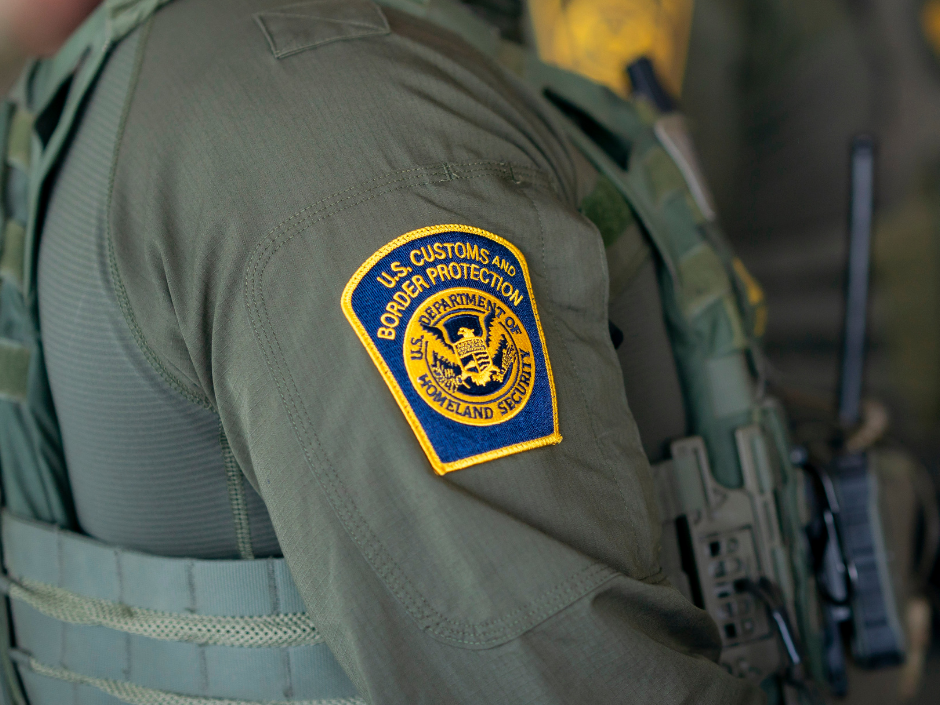
Tuesday, as Department of Homeland Security Secretary Kristi Noem prepared to testify before the House Judiciary Committee, American Oversight filed suit against the U.S. Customs and Border Protection (CBP) seeking records related to the agency’s immigration enforcement operations, its legal justification for stops and searches, and its trainings on use of force and the Fourth Amendment.
CBP has faced increased scrutiny since January when two of its agents shot and killed Alex Pretti, a 37-year-old American intensive care nurse for the U.S. Department of Veterans Affairs in Minneapolis. The lawsuit comes amid mounting concerns about escalating federal immigration enforcement tactics — including our recent findings that Immigration and Customs Enforcement (ICE) officials knew use-of-force incidents were rising well before the Minneapolis shootings and that ICE killed a U.S. citizen in a previously undisclosed shooting death.
“CBP is deploying sweeping police powers on American streets without transparency into the limits on that authority,” said Chioma Chukwu, Executive Director of American Oversight. “We have already uncovered records showing that federal immigration officials knew use-of-force incidents were dramatically increasing — and that an American citizen’s shooting death went undisclosed. When agencies expand their footprint and escalate force while withholding basic information about their authority and training from the public, it erodes trust and puts lives at risk. Secretary Noem owes lawmakers — and the American people — honest answers about how she allowed this to happen and what concrete steps she is taking right now to prevent further loss of life. The public should not have to rely on watchdogs and whistleblowers to learn the truth about actions taken by her own department.”
The complaint, filed in the U.S. District Court for the District of Columbia, seeks to compel CBP’s release of records concerning communications of former Border Patrol Chief Gregory Bovino (whose leadership drew intense scrutiny following the shooting of Alex Pretti and ultimately led to his reassignment), legal analyses regarding stop-and-search authority within the 100-mile border zone, and training materials related to use of force and constitutional protections. Despite acknowledging receipt of two of our Freedom of Information Act (FOIA) requests in January, CBP has failed to produce records or issue final determinations as required by law.
Our FOIA requests focus in part on CBP’s deployment of agents to Charlotte, North Carolina — well outside the agency’s traditional border zone — and other interior cities as part of expanded immigration crackdowns. Charlotte lies beyond the 100-mile border zone where CBP claims broader authority, raising serious questions about the legal basis for its operations and the protections afforded to people subjected to CBP stops and searches.
The lawsuit also seeks records reflecting any final legal advice regarding stop, search, and seizure authority and the Fourth Amendment, as well as all training materials provided to CBP agents concerning use of force and constitutional warrant requirements.
In February, we released a tranche of records — obtained by a FOIA request and lawsuit against ICE — detailing troubling training practices and more than a 300 percent escalation in use-of-force incidents by ICE officers soon after President Trump returned to the White House.
As first reported by Politico, the records indicated that top ICE “officials knew as early as March of last year that officers were using dramatically more force against civilians and the targets of their enforcement operations, months before ICE and Border Patrol officers shot and killed two U.S. citizens in Minneapolis.”
Additionally, the records revealed that an ICE officer fatally shot a 23-year-old American citizen, Ruben Ray Martinez, in South Padre Island, Texas, in March 2025 — something ICE had not publicly acknowledged before we released the records. Newsweek first reported details on Martinez’s death. His family confirmed that key information in ICE’s report conflicted with information they were initially provided, raising serious concerns about transparency and whether other fatal incidents have gone undisclosed.
In addition to details about increased use of force incidents and Martinez’s death, the records show that despite formal legal training materials instructing ICE officers that they generally cannot enter a residence without a judicial warrant or consent, instructors were directed to tell cadets that the use of controversial administrative warrants to enter a home were “under review.”
The documents align with sworn testimony from former ICE attorney-turned-whistleblower Ryan Schwank, who told Congress last week that he was instructed to train cadets using guidance from Acting ICE Director Todd Lyons’ memo that “claimed ICE officers could enter homes without a judicial warrant” — guidance he was told to read in his supervisor’s presence but not to document.