
American Oversight Files Lawsuits Seeking Answers About Deaths in Immigration Custody, DHS Oversight Failures
Our lawsuits seek records on deaths in ICE and CBP custody and DHS oversight practices as the Trump administration scales back information to the public.
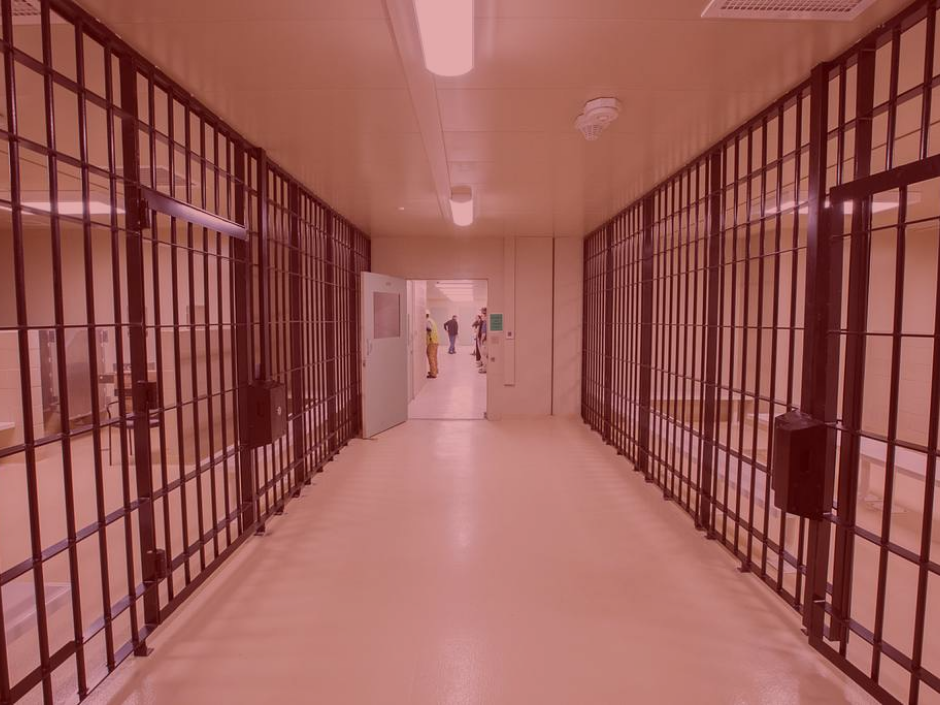
Wednesday, American Oversight filed two lawsuits in the U.S. District Court for the District of Columbia seeking records related to the alarming rise in deaths in immigration custody and the Department of Homeland Security’s (DHS) efforts to investigate, oversee, and respond to those tragedies. The lawsuits come amid efforts by the administration to curtail transparency surrounding in-custody deaths and downplay the record spike in deaths in immigration detention even as fatalities continue to rise. Together, the suits seek critical information about the circumstances surrounding deaths in the custody of Immigration and Customs Enforcement (ICE) and Customs and Border Protection (CBP), as well as the policies, procedures, and activities of the DHS offices responsible for providing proper oversight and accountability.
The first lawsuit seeks records concerning individuals who have died in ICE and CBP custody since the start of President Donald Trump’s second term, including detainee death reviews, mortality reviews, root cause analyses, significant incident reports, autopsies, toxicology reports, and other records that could shed light on the circumstances of those deaths, the conditions under which they occurred, and whether more could have been done to prevent the deaths. We submitted Freedom of Information Act (FOIA) requests to ICE and CBP in April, but have not yet received the records from the agencies as required by law.
The second lawsuit seeks records from DHS and CBP regarding the policies, procedures, protocols, and oversight activities related to deaths in immigration custody. Among other records, the lawsuit seeks information concerning the Office for Civil Rights and Civil Liberties (CRCL), the Office of Immigration Detention Ombudsman (OIDO), the DHS Office of Inspector General, and CBP policies governing deaths that occur after individuals leave CBP custody. The lawsuit also seeks records reflecting the status of investigations conducted by CRCL and OIDO since March 2025. We also submitted these FOIA requests in April, but have not yet received the records from the agencies as required by law.
Deaths in ICE custody have risen sharply amid a dramatic expansion of immigration detention. According to publicly reported data, at least 33 people died in ICE custody in 2025 — the highest annual total since 2004 — and 2026 is already on pace to surpass that record. At the same time, the detained population has reached record levels, with more than 68,000 people reportedly held in ICE custody earlier this year.
Until late last year, ICE routinely published detailed reports on deaths in its custody, including timelines and information about the medical care individuals received before they died. In December, the agency replaced those reports with brief summaries that omit many of those details, making it significantly more difficult for families, oversight bodies, and the public to understand the circumstances surrounding deaths in custody and evaluate whether the government is responding appropriately. The reduction in transparency comes as scrutiny of detention conditions intensifies and questions mount about whether preventable deaths are occurring inside the nation’s immigration detention system.
“Behind every death in immigration custody is a human being, and a family and community left searching for answers. At a moment when deaths in detention are rising, the administration has chosen to provide less information to the public while minimizing serious concerns about the growing death toll. That is precisely when transparency matters most,” said Chioma Chukwu, Executive Director of American Oversight. “Families deserve answers about what happened to their loved ones, and the public deserves to know whether the government is taking meaningful steps to address the conditions and failures that contribute to deaths in custody. But instead of providing greater transparency, this administration has chosen to reveal less while asking the public to blindly trust that the system is working. These lawsuits seek the records necessary to determine what the government knows, how it has responded, and whether anyone is being held accountable.”
In 2024, American Oversight, the American Civil Liberties Union, and Physicians for Human Rights released Deadly Failures: Preventable Deaths in U.S. Immigration Detention, a comprehensive review of deaths in ICE custody between 2017 and 2021. Drawing on more than 14,500 pages of records obtained through public records requests, litigation, and civil discovery, and incorporating independent medical expert review, the report examined the deaths of individuals reported to have died in ICE custody and evaluated both the medical care they received and the government’s oversight processes.
The report found that 95 percent of the deaths reviewed were preventable or possibly preventable if clinically appropriate medical care had been provided. It also documented significant shortcomings in DHS and ICE oversight systems, including investigations that failed to preserve evidence, omitted key facts, did little to identify systemic causes of deaths, and failed to result in meaningful consequences for detention facilities where deaths occurred. As deaths in immigration custody continue to rise, the findings of that report underscore the importance of transparency, accountability, and rigorous oversight to ensure that preventable tragedies are not repeated.
Today’s lawsuits mark the latest phase of our effort to restore meaningful oversight of a detention system that this administration has increasingly shielded from public scrutiny.
Since 2025, we have partnered with Democracy Forward to successfully represent more than a dozen members of Congress in litigation challenging the Trump administration’s attempts to impede lawful congressional oversight of conditions inside immigration detention facilities. The case arose amid mounting reports of overcrowding, inadequate medical care, unsanitary conditions, and other abuses, and has resulted in multiple court orders reaffirming Congress’s authority to inspect detention facilities and investigate conditions the administration sought to shield from public scrutiny.