
Lawsuit Seeks Records on White House’s Potential IRS Weaponization Against President’s Perceived Political Opponents
We’re representing Protect Democracy in a lawsuit seeking transparency into potential White House efforts to target taxpayers for IRS scrutiny.
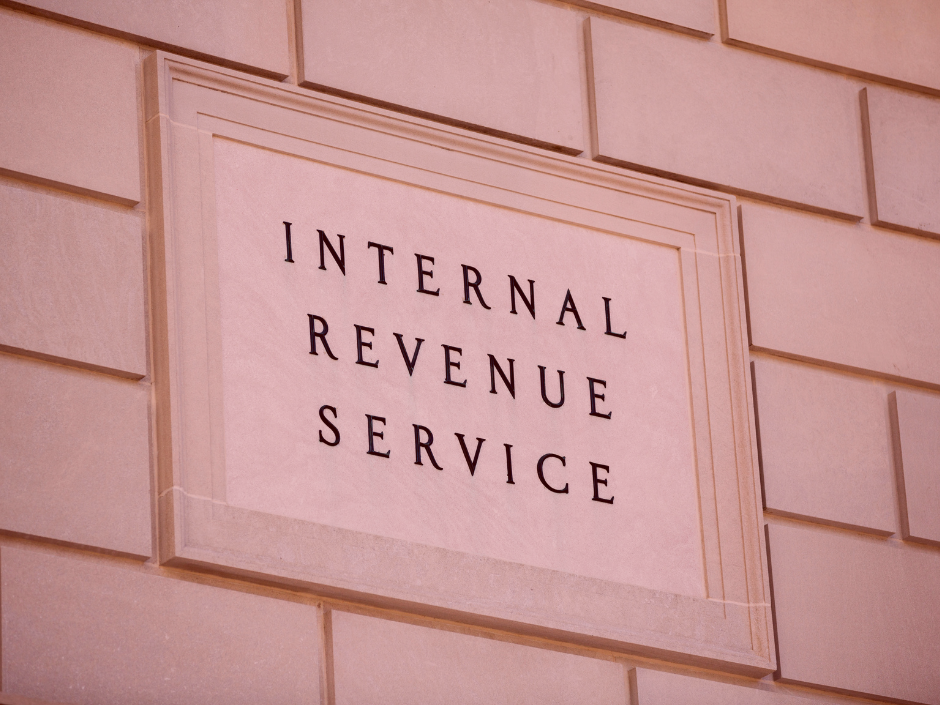
Wednesday, Protect Democracy, represented by American Oversight, filed suit against the Internal Revenue Service (IRS) and the U.S. Department of the Treasury seeking records that would reveal whether the White House has attempted to direct or influence the IRS to target perceived political opponents through the tax system.
The administration’s actions to date have heightened those concerns, with the President and senior White House officials suggesting that certain universities, nonprofits, and other institutions — including Harvard University — should face scrutiny or lose their tax-exempt status based on their perceived political or ideological positions.
The lawsuit follows IRS’s refusal to release records, claiming they are categorically exempt from disclosure, in response to a Freedom of Information Act (FOIA) request seeking documents reflecting any individuals or entities identified by the White House for potential audit or investigation.
“The public deserves to know whether the White House is directing the IRS to go after the President’s perceived political opponents. The IRS’s refusal to even search for these records — let alone produce them — is not how a tax agency insulated from political influence is supposed to behave,” said JoAnna Suriani, Counsel at Protect Democracy. “We’re asking the court to enforce the transparency which the law requires.”
“The idea that Trump administration officials could influence who is investigated by the IRS for political purposes raises profound concerns about abuse of power,” said Chioma Chukwu, Executive Director of American Oversight. “The law is clear that the tax system must be administered fairly and independently — not as a tool for political retribution. Yet the administration is refusing to produce any records, turning a post-Watergate protection against political meddling by the executive branch into a weapon against transparency. The American people have a right to know whether the President is asking the IRS to target taxpayers.”
Protect Democracy submitted its FOIA request in December 2025, seeking records reflecting any instances in which the White House identified taxpayers or organizations for IRS investigation. The organization’s request made clear that it did not seek confidential taxpayer return information, only records documenting actions taken by White House officials.
Despite this stipulation, the IRS denied the request in full without conducting a search, claiming the records would be categorically exempt under federal tax confidentiality laws. The agency’s appeals office upheld that determination, asserting that it was not required to search for records at all.
The lawsuit challenges that position, arguing that the agencies have unlawfully refused to conduct an adequate search and are improperly withholding non-exempt records. It seeks a court order requiring the IRS and Treasury to search for and release responsive documents.
The case underscores the urgent public interest in understanding whether the White House is seeking to influence federal tax enforcement — an issue that has long raised alarm across administrations of both parties. The integrity of the tax system depends on strict independence from political pressure.