
Newly Released Video Raises Serious Questions About ICE’s Account of Fatal Shooting of U.S. Citizen
Footage adds to pattern of escalating use of force and secrecy that Mullin must address during confirmation following Noem departure
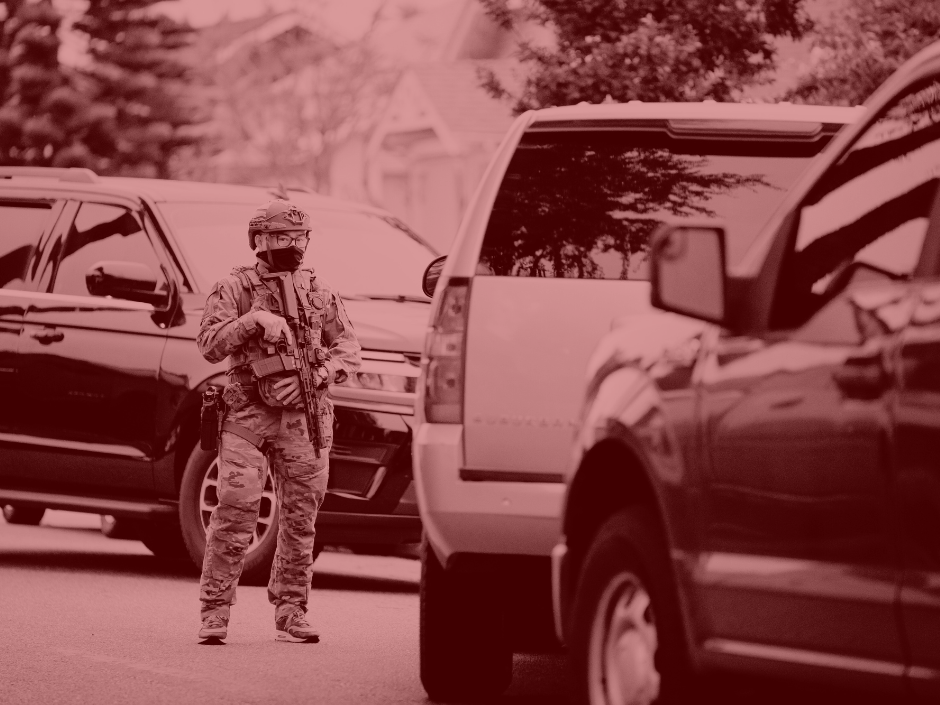
Newly released body-camera footage appears to call into question Immigration and Customs Enforcement’s (ICE) account of the fatal shooting of 23-year-old American citizen Ruben Ray Martinez in South Padre Island, Texas, in March 2025. Reports indicate the video, released over the weekend, raises serious doubts about ICE officials’ claims that Martinez accelerated his vehicle and intentionally ran over an officer before being shot.
Records we obtained and released revealed that an ICE officer fatally shot Martinez during the March 2025 incident — a killing that the agency had not publicly acknowledged until nearly a year later, after our efforts brought it to light.
“Footage that appears to contradict ICE’s narrative about the fatal shooting of a young American citizen is a stark reminder of why transparency from ICE and other federal law enforcement matters,” said our Executive Director Chioma Chukwu. “This case is part of a troubling pattern: escalating use of force, delayed disclosures, and misleading information about incidents involving deadly force. Secretary Noem’s departure does not change that reality. As Sen. Mullin seeks to lead the Department of Homeland Security, he must answer for the culture of secrecy and accountability failures that have allowed incidents like this to remain hidden from the public. Without systemic reforms and real transparency from DHS and the White House, leadership changes will not prevent future abuses or restore public trust.”
In the wake of Homeland Security Secretary Kristi Noem’s disastrous House and Senate testimony last week and just 48 hours before the body-camera footage was released, President Donald Trump announced Noem would be stepping down at the end of the month and that he would nominate Sen. Markwayne Mullin of Oklahoma as her replacement.
Last week, we filed suit against the U.S. Customs and Border Protection (CBP) seeking records related to the agency’s immigration enforcement operations, its legal justification for stops and searches, and its trainings on use of force and the Fourth Amendment. CBP has faced increased scrutiny since January, when two of its agents shot and killed Alex Pretti, a 37-year-old American intensive care nurse for the U.S. Department of Veterans Affairs in Minneapolis.
The lawsuit comes amid mounting concerns about escalating federal immigration enforcement tactics — including our recent findings that ICE officials knew use of force incidents were rising well before the Minneapolis shootings and that ICE failed to disclose the death of Martinez.
Last month, we released a tranche of records — obtained by a Freedom of Information Act (FOIA) request and lawsuit against ICE — detailing troubling training practices and a nearly 400 percent escalation in use-of-force incidents by ICE officers soon after President Trump returned to the White House.
Additionally, the records revealed that an ICE officer fatally shot Martinez, a 23-year-old American citizen — as first reported by Newsweek. Even before release of the body-camera footage, his family confirmed that key information in ICE’s report conflicted with information they were initially provided, raising serious concerns about transparency and whether other fatal incidents have gone undisclosed.
In addition to details about increased use of force incidents and Martinez’s death, the records show that — despite formal legal training materials instructing ICE officers that they generally cannot enter a residence without a judicial warrant or consent — instructors were directed to tell cadets that the use of controversial administrative warrants to enter a home was “under review.”
The documents align with sworn testimony from former ICE attorney-turned-whistleblower Ryan Schwank, who told Congress last week that he was instructed to train cadets using guidance from Acting ICE Director Todd Lyons’ memo that “claimed ICE officers could enter homes without a judicial warrant” — guidance he was told to read in his supervisor’s presence but not to document.