
Tracking Trump’s Retribution Campaign
Our investigation into how Trump is using the federal government to attack people who oppose him.
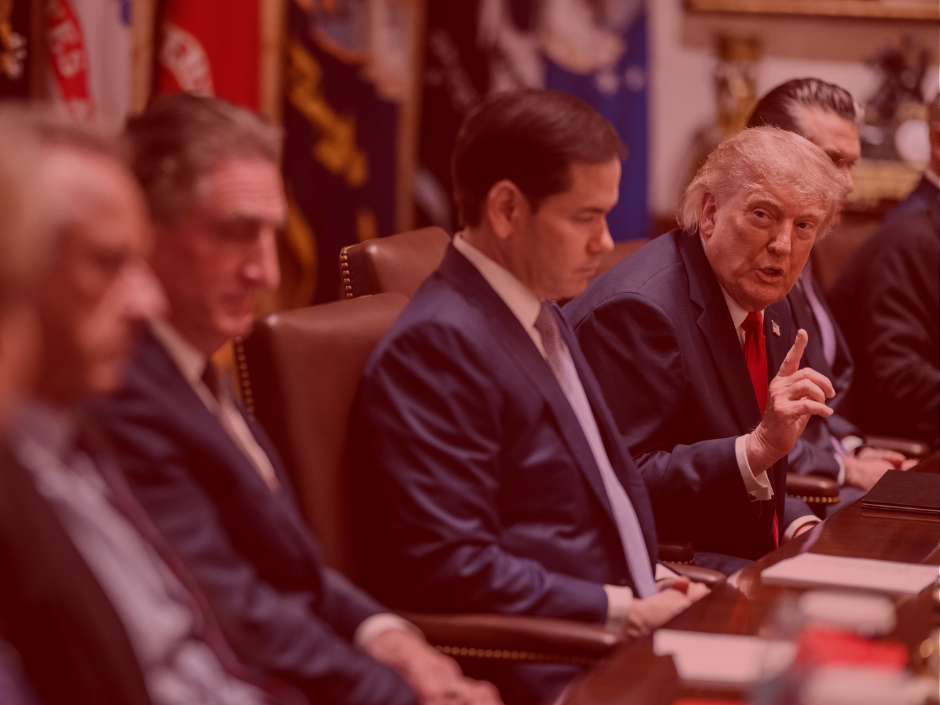
President Donald Trump has been using the federal government to retaliate against people who have tried to hold him accountable through public criticism, investigations, and criminal charges. The Department of Justice (DOJ) has been an essential part of this — it houses the Weaponization Working Group and has investigated and/or indicted former Federal Bureau of Investigation (FBI) Director James Comey, New York Attorney General Letitia James, and members of Congress. While many of these attacks have been unsuccessful, the weaponization of DOJ is especially relevant now, as Todd Blanche — Trump’s former personal defense attorney who oversaw the Weaponization Working Group — is being considered for attorney general.
We’ve been fighting for information about Trump’s retributive actions. In November 2025, allegations emerged that Ed Martin, then the Weaponization Working Group’s director, was concealing or destroying official communications to hide the group’s activities. That month, we sent a letter to Pam Bondi and Marco Rubio — then the attorney general and National Archives and Records Administration’s acting archivist, respectively — demanding urgent action to recover any missing records and prevent further destruction. The next month, we sued DOJ after it refused to grant expedited processing for our Freedom Of Information Act (FOIA) requests for its communications and directives that could shed light on the group’s investigations and whether Martin was destroying documents. In January 2026, we expanded our lawsuit because DOJ still had not determined whether it would expedite most of our FOIA requests and had produced no records.
We recently obtained emails that shed light on Blanche’s involvement in the DOJ investigations and create additional doubt about his ability to lead DOJ independently. The emails show that Blanche “oversaw senior Justice Department officials pursuing politically charged investigations, convened recurring meetings of the so-called weaponization working group, and committed departmental resources to advancing President Trump’s efforts targeting political opponents,” our Executive Director Chioma Chukwu told the New York Times.
Learn more about our investigations into Trump’s attacks, including those on the Federal Reserve, members of Congress, former administration officials, and others Trump views as opponents.
On the records
Tariffs are back in the spotlight
This week, Trump announced a suite of new tariffs: 50 percent tariffs on a number of Canadian goods and 10 to 12.5 percent tariffs that will affect goods from more than 60 economies. That could significantly raise prices for consumers on everything from dairy products to furniture.
We have filed FOIA requests about how tariffs are being implemented, the impact on struggling farmers, and details on whether Trump allies are being granted special exemptions or even profiting from inside information.
American Oversight in the news
- New texts show Dallas Woodhouse anticipated backlash to Sunday voting cuts in NC (Raleigh News & Observer)
- Todd Blanche directed DOJ reviews of Jack Smith and Alvin Bragg, leaked emails show (Business Times)
- From Trump’s attorney to the attorney general (The Daily podcast at the New York Times)
- Georgia election board promotes new voter-roll tool ahead of midterms (New York Times)
Other stories we’re following
- ICE shared Medicaid data it wasn’t supposed to have with Palantir (NPR)
- New Jersey removes 6,600 noncitizens from voter rolls after software error (Wall Street Journal)
- Immigration arrests hit a new record, DHS says in long-awaited data (USA Today)
- Federal agents were told FBI will no longer investigate ICE confrontations (New York Times)
- Trump promised proof of election tampering. His document release fell far short. (New York Times)